Source Anti Fog Led Bathroom Mirror for Spa, Gym, and Home
Explore 30 listings for the anti fog led bathroom mirror, featuring options with fogless, waterproof, and lighted functions. Buyers can compare models with varying frame materials, sizes, and certifications like CE and IP44 to find the right fit for their projects.
Key considerations
Products List




Comprehensive Sourcing Guide
Strategic Sourcing Guide for Anti-Fog LED Bathroom Mirrors
Understanding Product Definitions and Core Attributes
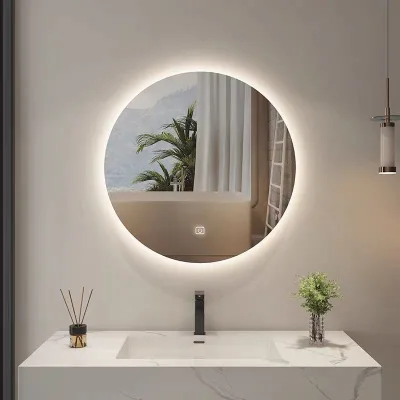
The procurement of anti-fog LED bathroom mirrors requires a precise understanding of the product's dual nature as both a functional lighting fixture and a reflective surface. In the current market, these items are often categorized under specific product models such as "mirror," "framed mirrors1," or specific alphanumeric codes like "l-1073." The core functionality relies on the integration of a lighting source, typically an LED light strip, which serves to illuminate the user while simultaneously managing thermal conditions to prevent condensation. The observed market data indicates that these products are available in various configurations, including single-sided units that are designed for wall hanging installation.
A critical observation in the supply chain is the variability in product shapes and styles. Buyers will encounter options ranging from square and rectangular forms to more complex customizations. The style of these mirrors often aligns with modern, simple, or Chinese design aesthetics, allowing for integration into diverse interior environments. The physical construction typically involves a frame made from materials such as metal, silver, aluminum, or copper-free composites, with the primary reflective surface being glass. The thickness of the glass is a significant technical variable, with common specifications including 3mm, 4mm, and 5mm options. These physical attributes directly influence the durability, weight, and installation requirements of the final product.
Technical Specifications and Functional Performance
When evaluating the technical specifications of anti-fog LED bathroom mirrors, buyers must focus on the interplay between the lighting system and the anti-fog mechanism. The primary function of the anti-fog feature is to maintain a clear reflection in high-humidity environments, such as bathrooms, by preventing water vapor from condensing on the glass surface. The observed product attributes list several special functions, including fogless, waterproof, rustproof, and lighted capabilities. It is essential to note that while these features are commonly advertised, the specific implementation varies by manufacturer.
The electrical specifications are equally critical for safety and compatibility. The voltage requirements for these units typically span a broad range of 110-240V at 50/60Hz, ensuring global applicability. The control mechanisms for the lighting and heating elements are often implemented via touch sensors or button switches, offering user convenience. The installation method is predominantly wall hanging, which necessitates a sturdy mounting system capable of supporting the weight of the glass and the frame. The frame material, often metal or aluminum, must be selected to resist corrosion in wet environments, aligning with the rustproof claims found in product descriptions.
Furthermore, the packaging standards observed in the market include carton boxes, bubble bags, PE foam, and wooden packages. The choice of packaging is not merely logistical but serves as a proxy for the manufacturer's attention to detail regarding product protection during transit. For fragile items like glass mirrors, the use of cushioning materials like foam or bubble wrap is a standard requirement to prevent breakage. The dimensions of the mirrors also vary, with standard sizes observed including 800600mm and 18302440mm, though customized sizes are frequently available to meet specific project requirements.
Compliance, Certification, and Safety Standards
Navigating the regulatory landscape for bathroom fixtures is a paramount concern for B2B buyers. The safety and quality of electrical products used in wet environments are governed by strict international standards. In the observed product data, specific certifications such as CE, IP44, and RoHS are mentioned. The CE marking indicates conformity with health, safety, and environmental protection standards for products sold within the European Economic Area. The IP44 rating is particularly relevant for bathroom mirrors, as it denotes protection against solid objects larger than 1mm and water splashes from any direction, ensuring the electrical components are safe for use in damp locations. RoHS compliance ensures that the product does not contain restricted hazardous substances, which is a critical requirement for environmental and health safety.
However, buyers must exercise caution when interpreting these certifications. The presence of a certification label on a product listing does not guarantee that every unit in a specific order meets the standard. It is the responsibility of the procurement team to verify the validity of these certificates through the issuing bodies. The product standards listed in the data, such as "18302440mm" or "800600," often refer to dimensions rather than safety standards. Buyers should explicitly request the full certification documentation, including test reports, to confirm that the specific batch of mirrors being sourced meets the required safety protocols.
Additionally, the origin of the products plays a role in compliance. Many of the observed listings indicate origins in China, specifically in regions like Qingdao, Hangzhou, and Zhejiang. While these regions are hubs for manufacturing, the regulatory oversight can vary. Buyers should ensure that the supplier has a robust quality management system in place to maintain consistency with the stated certifications. The standard "CUSTOMIZED" or "ACCORDING TO THE ORDER" noted in the data suggests that many products are made to specification, which requires a higher level of scrutiny to ensure that the custom manufacturing process does not compromise safety standards.
Cost Drivers and Pricing Dynamics
The pricing of anti-fog LED bathroom mirrors is influenced by a complex array of factors, including material costs, manufacturing complexity, and order volume. The observed price range in the market spans from $1.36 to $120, a wide disparity that reflects the diversity in product quality, size, and feature sets. Lower-priced items may be smaller, simpler models with basic LED lighting and minimal anti-fog technology, while higher-priced units likely feature larger dimensions, advanced touch controls, superior frame materials, and more robust waterproofing.
The Minimum Order Quantity (MOQ) is another significant cost driver. The data indicates an MOQ range from 1 to 2500 units. Suppliers with lower MOQs, such as 100 pieces or 20 sets, may charge a higher unit price to cover the overhead of small-batch production. Conversely, larger orders can leverage economies of scale to reduce the per-unit cost. The payment terms, often cited as 20-30 days after receiving a deposit, also impact the financial planning of the buyer. These terms suggest a standard trade practice where the supplier requires a commitment before commencing production, which helps mitigate their risk but requires the buyer to manage cash flow accordingly.
Material costs are a primary determinant of the final price. The use of high-quality glass, such as 5mm thickness, and premium frame materials like copper-free aluminum or silver-plated metal will increase the cost. The inclusion of advanced features like touch sensors and specific voltage compatibility also adds to the manufacturing expense. Additionally, the packaging requirements, ranging from simple carton boxes to elaborate wooden packages, contribute to the overall cost. Buyers should analyze the total cost of ownership, including shipping and potential customs duties, rather than focusing solely on the unit price.
Typical Applications and Usage Scenarios
Anti-fog LED bathroom mirrors are primarily designed for use in residential and commercial bathrooms, where humidity levels are consistently high. The specific application dictates the required specifications. In residential settings, these mirrors are often used in master bathrooms, guest bathrooms, and powder rooms. The modern and simple styles observed in the market align well with contemporary home design trends, providing both functionality and aesthetic appeal. The single-sided design is ideal for standard wall installations where the mirror is the primary focal point.
In commercial applications, such as hotels, spas, and public restrooms, the durability and reliability of the mirror are paramount. The waterproof and rustproof features are essential for withstanding frequent use and harsh cleaning chemicals. The LED lighting provides consistent illumination, which is crucial for grooming tasks and enhancing the overall ambiance of the space. The installation method, typically wall hanging, allows for flexible placement in various bathroom layouts. The customizable nature of these products, as indicated by the "CUSTOMIZED" standard and "ACCORDING TO THE ORDER" specifications, makes them suitable for large-scale projects where specific dimensions or designs are required to match the architectural vision.
The versatility of these mirrors extends beyond traditional bathrooms. They can be used in dressing rooms, vanity areas, and even in humid environments like saunas or steam rooms, provided the IP rating is sufficient for the specific conditions. The fogless feature ensures that the mirror remains clear during and after hot showers, enhancing user experience and safety by preventing the need to wipe away condensation.
Supplier Evaluation and Quality Control Protocols
Selecting the right supplier is a critical step in the procurement process. Buyers should evaluate suppliers based on their ability to meet the specific technical and compliance requirements of the order. The observed data shows suppliers located in various regions of China, including Qingdao and Hangzhou. While location can influence logistics and lead times, it is the supplier's quality control processes that are most important. Buyers should request samples to verify the quality of the glass, the effectiveness of the anti-fog mechanism, and the durability of the frame.
Quality control should be a continuous process throughout the production cycle. This includes inspecting raw materials, monitoring the assembly line, and conducting final product testing. The presence of certifications like CE and IP44 should be verified through third-party testing reports. Buyers should also assess the supplier's packaging capabilities to ensure that the mirrors are protected adequately during shipping. The use of carton boxes with foam, bubble bags, or wooden packages should be confirmed to prevent damage.
Communication is another key factor in supplier evaluation. The ability of the supplier to provide detailed product information, respond to inquiries, and accommodate custom requests is indicative of their professionalism. The observed payment terms and lead times, such as 20-30 days after payment, should be clearly understood and agreed upon in the contract. Buyers should also consider the supplier's track record in delivering orders on time and meeting quality standards.
Long-Term Procurement Considerations and Maintenance
Long-term procurement of anti-fog LED bathroom mirrors involves considerations beyond the initial purchase. Buyers should plan for the maintenance and replacement of these units over time. The LED light strips and anti-fog heating elements are components that may require replacement after extended use. The availability of spare parts and the supplier's willingness to provide technical support are important factors to consider.
The customization aspect of these products means that buyers may need to order replacement units that match the original specifications. Ensuring that the supplier can maintain consistency in dimensions, materials, and finishes is crucial for large-scale projects. The lead time for custom orders, which can vary based on the complexity of the request, should be factored into the procurement timeline.
Furthermore, buyers should stay informed about changes in technology and standards. As the market evolves, new features and improved safety standards may emerge. Maintaining a relationship with a reliable supplier who is up-to-date with industry trends can provide a competitive advantage. The ability to adapt to changing requirements, such as new voltage standards or updated certification requirements, is essential for long-term success in the procurement of bathroom fixtures. By focusing on these long-term considerations, buyers can ensure a steady supply of high-quality anti-fog LED bathroom mirrors that meet their operational needs.
FAQs
What certifications do anti fog led bathroom mirrors typically have?
These mirrors often carry CE, IP44, and RoHS certifications to ensure safety in wet environments. The IP44 rating protects against water splashes, while CE and RoHS confirm compliance with health and environmental standards for electrical products.
How can I customize the size of these bathroom mirrors?
Customization is available with standards listed as customized or according to the order. Buyers can request specific dimensions like 800*600mm or 1830*2440mm, allowing for tailored fits in various bathroom layouts and architectural designs.
What is the minimum order quantity for these mirrors?
The minimum order quantity ranges from 1 to 2500 units depending on the supplier. Some vendors require 100 pieces or 20 sets, while others may accept smaller orders, influencing the unit price and production lead time significantly.
Which materials are used for the frame of these mirrors?
Frames are typically made from metal, silver, aluminum, or copper-free composites. The reflective surface is glass, often with a silver finish, and the thickness can vary between 3mm, 4mm, and 5mm to ensure durability and weight support.
Can these mirrors be installed on a wall easily?
Yes, the installation method is predominantly wall hanging for secure mounting. The design supports single-sided usage, and the sturdy frame materials help withstand the weight of the glass while resisting rust in humid bathroom conditions.
What is the lead time for delivery after payment?
Delivery time is typically 20 to 30 days after receiving the payment or deposit. This timeline applies to standard production cycles, though customized orders may require additional time to meet specific size or design specifications.
How do I ensure the mirror is waterproof for bathroom use?
Look for products with an IP44 rating and waterproof special functions to ensure safety. These features protect electrical components like LED strips from water splashes, making them suitable for high-humidity environments like bathrooms and steam rooms.